
Garmin inReach Mini 2 Review: Trail-Tested for Backpackers Over 40
Affiliate Disclosure
This gear review contains affiliate links. As an Amazon Associate, we may earn from qualifying purchases at no additional cost to you. We only discuss gear that we have used, tested, or believe is relevant to backpackers and hikers.
Why We Tested the Garmin inReach Mini 2
When you are backpacking in places with little or no cell service, communication becomes more than a convenience. It becomes part of your safety plan. This is even more true if you’re older, a solo trekker, or have underlying health conditions.
We tested the Garmin inReach Mini 2 on the trail as part of our broader discussion about backpacking safety and the importance of a shakedown trip. This review also connects directly to our related episode of the Second Act Backpacking Podcast, where we talk about how this type of gear fits into a realistic backcountry safety setup.
If you found this review first, we recommend listening to the podcast episode for the full discussion. If you came from the podcast, this review gives you the written breakdown, photos, and product details in one place.
Quick Overview
The Garmin inReach Mini 2 is a compact satellite communicator designed for hikers, backpackers, hunters, paddlers, and anyone who spends time outside traditional cell coverage.
Its main features include:
- Two-way satellite messaging
- Interactive SOS emergency response
- Location sharing and tracking
- Weather forecasts
- Garmin Explore app pairing
- Small, lightweight design
- Rechargeable battery
The short version: this is not flashy gear, but it is serious safety gear.
rail-Tested Performance
On the trail, the Garmin inReach Mini 2 performed exactly as we hoped: quietly, reliably, and without adding much weight or hassle.
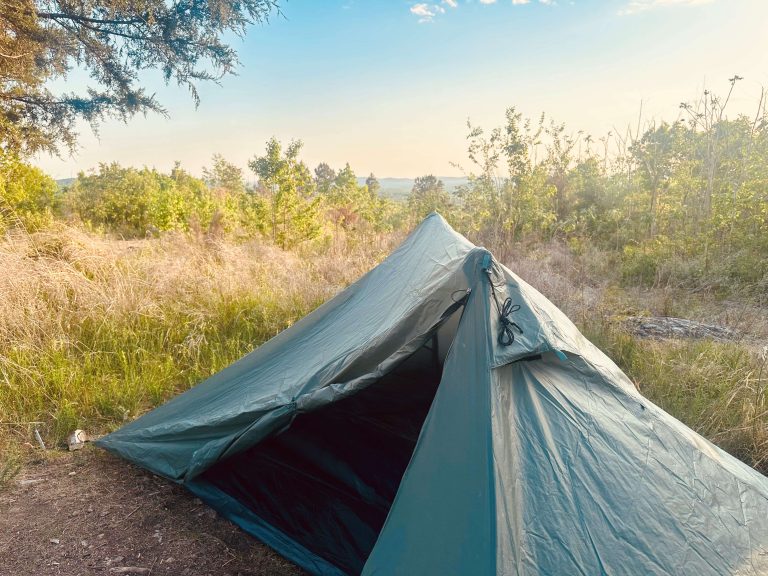
We tested it in wooded terrain and at mixed elevations, where the phone signal was unreliable. Messages were not always instant, but they were dependable. That is important to understand. Satellite communicators are not the same as regular texting. Sometimes a message takes a few minutes to send or receive, especially under tree cover or in uneven terrain.
I used it to send messages to my spouse at home to let her know how things were going. She received them along with a link to show my last location. In areas with cell signal, I used in-reach and phone messaging and found a 2-5 minute lag between the two, with normal cell phone messaging significantly faster. For backpacking use, that delay was not a deal-breaker. The important part is that we had a way to communicate when cell service was gone.
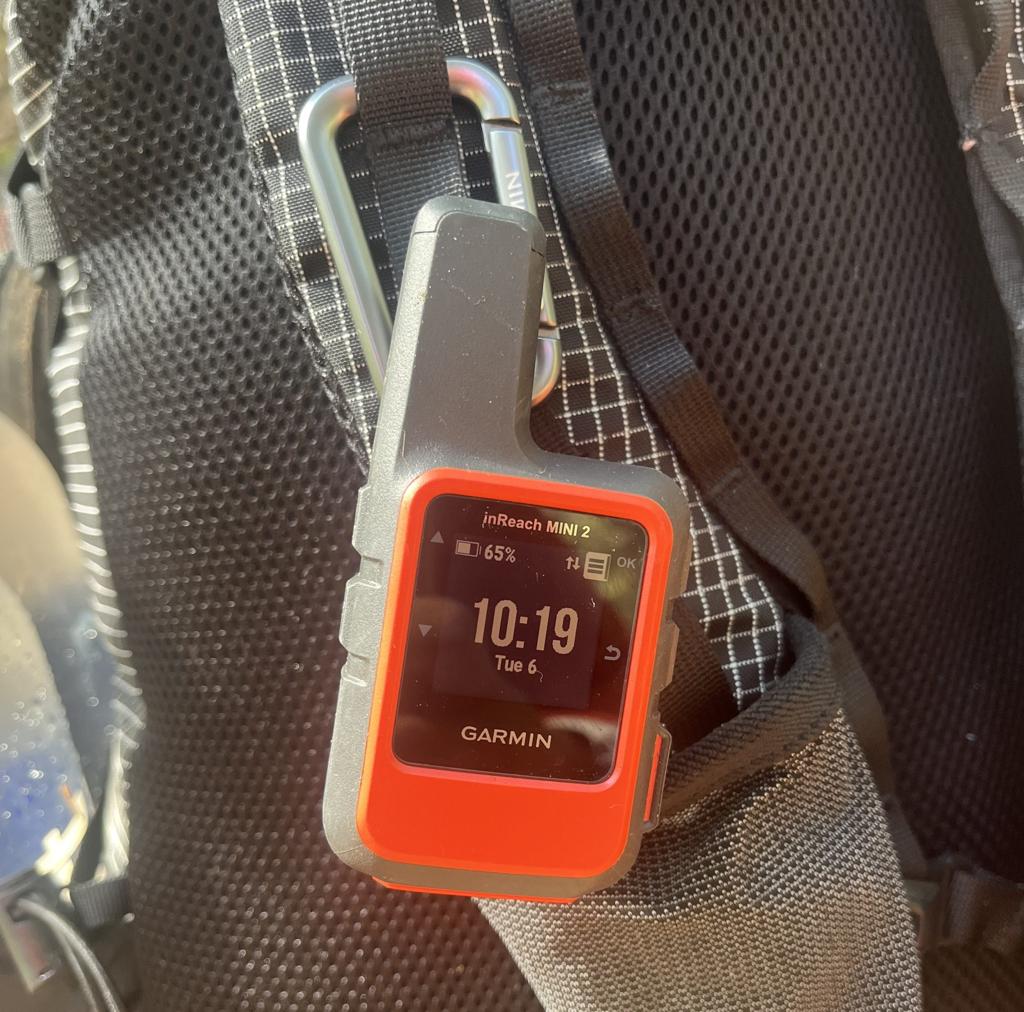
The size is one of the biggest advantages. At around 3.5 ounces, the inReach Mini 2 is easy to clip to a backpack strap, hip belt, or store in an accessible pocket. For safety gear, accessibility matters. A satellite communicator buried deep in your pack is not nearly as useful as one you can reach quickly. I kept mine clipped to my shoulder strap for easy access if I were injured.
What We Liked
The biggest thing we liked was the peace of mind. Whether you are hiking solo, backpacking with family, or getting back into the outdoors later in life, having a reliable communication backup changes how you think about risk.
We also liked:
- Small size and low weight
- Reliable off-grid messaging
- Simple location sharing
- SOS capability
- Good battery life
- Easy pairing with a phone through the Garmin Explore app
The app matters because typing directly on the device is possible, but not ideal. For most normal messages, pairing it with your phone is the better experience.
What We Did Not Like
There are a few trade-offs.
First, the Garmin inReach Mini 2 requires a satellite subscription plan. That is part of owning this type of device, but it is something buyers need to factor into the real cost. We went with the cheapest plan, which costs $7.99 USD and charges a per-message fee. The details of Garmin’s plans can be found on their website: Here
Second, typing directly on the device is difficult. It works in an emergency, but for regular messages, you will probably use your phone. This means keeping your phone charged.
Third, this should not be viewed as a full replacement for navigation skills, offline maps, or basic trip planning. It is a communication and emergency tool first.
Who Should Consider the Garmin inReach Mini 2?
This device makes the most sense for:
- Solo backpackers
- Hikers in remote areas
- Backpackers over 40 who want a stronger safety margin
- Family members who want location updates
- Anyone hiking where cell service is unreliable
- People building a more complete emergency plan
For our style of backpacking, it became something I felt I needed to give my family peace of mind when I was alone in the backcountry.
Final Verdict
The Garmin inReach Mini 2 is not the most exciting piece of backpacking gear, but it may be one of the most important.
It is small, light, reliable, and designed around the exact problem many backpackers face: being out of cell service when communication matters. After testing it on trail, we see it as a strong safety tool for backpackers who want a dependable way to message, share location, and call for help if something goes wrong.
For backpackers over 40, especially those getting back into the outdoors, this kind of gear can help build confidence without replacing good judgment, planning, or basic trail skills.
Check current pricing here:
Related Podcast Episode
Want the full conversation? We talk more about trail safety, communication, and how the Garmin inReach Mini 2 fits into a real backpacking setup on the Second Act Backpacking Podcast.


One Comment